ENGINEERING PROCESS IMPROVEMENT
More engineering output from the team you already have
We look at how engineering work actually moves through your business, from order to workshop floor, find where capacity is being lost, and give you a practical plan to get it back. Less rework, work reaching manufacturing sooner, and higher engineering productivity without simply adding headcount.
Book a fit conversation How it works
For OEMs, machinery and equipment manufacturers, and engineering-led product businesses across Australia.
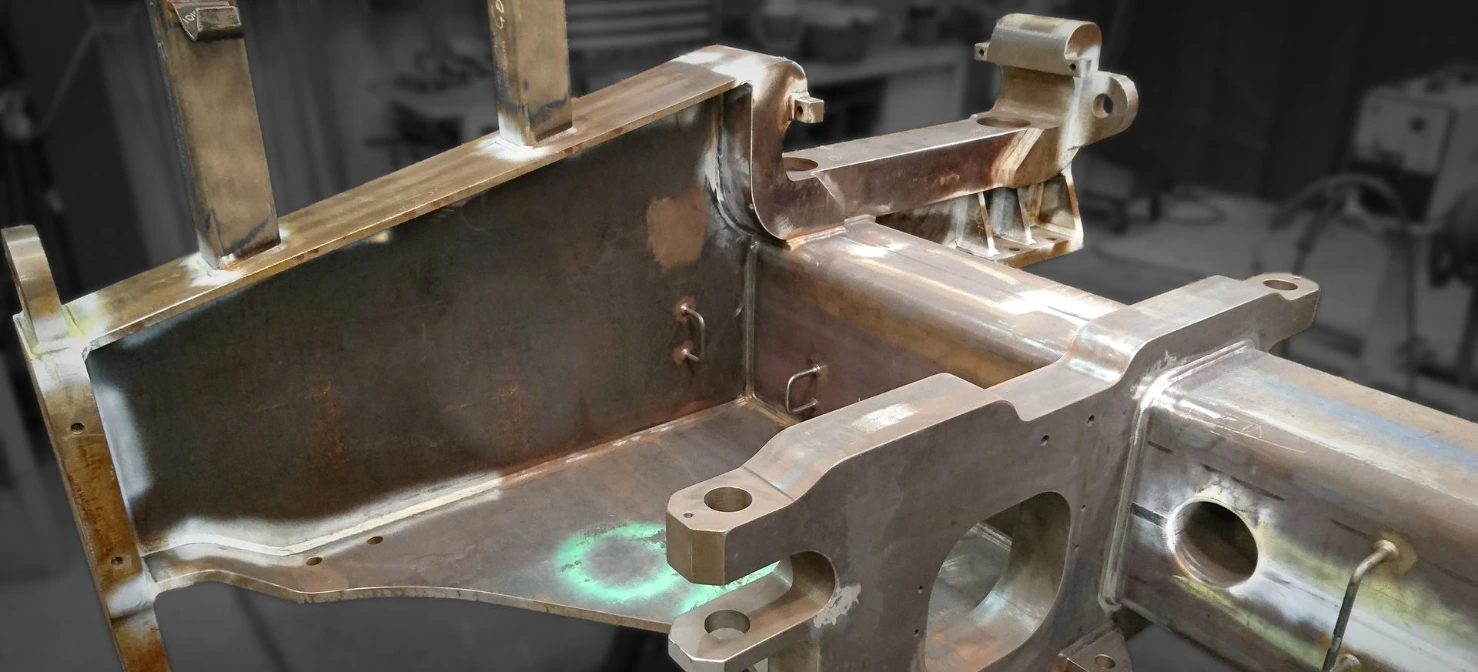
Capable engineers. Full workloads. So why isn't more getting out the door?
Most engineering teams aren't short on talent or effort. Capacity leaks away in the gaps: between stages, between people, and between engineering and the rest of the business.
Some of it you already feel: engineering rework, problems turning up on the workshop floor, work that keeps running later. Some of it you won't see at all, because the biggest losses often don't look like waste. They look like work.
Finding that lost capacity, and getting it back, is what this service is for.
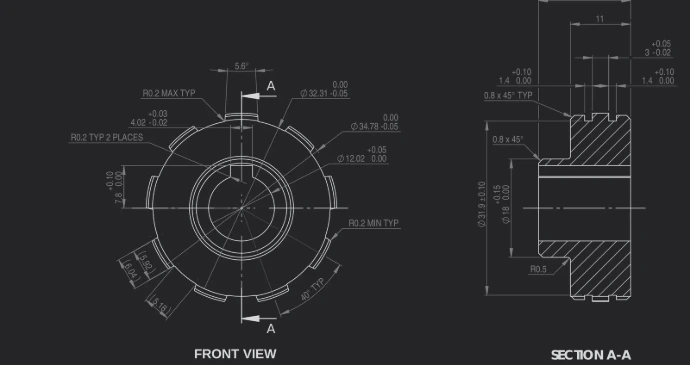
Sound familiar?
Common signs of engineering bottlenecks and lost capacity.
01
Problems found in the workshop
Rework and fixes on the floor that cost far more to solve at fabrication or assembly than they would have earlier.
02
More people, same output
The engineering team has grown, but throughput hasn't grown with it.
03
Work running later and later
Due dates keep moving, and overdue work is building faster than it clears.
04
Flat out, without the output to match
The team is working hard, but output doesn't reflect the effort going in.
We follow the work, not the org chart
Engineering capacity is often lost outside engineering, and problems created in engineering often only show up downstream. So we follow real jobs through the whole system.
Where does work wait?
Where does it come back?
Where does effort go that nobody sees?
How engineering process improvement works
Low risk up front. You only commit to a paid engagement once we both think there's something worth fixing.
1
Fit conversation
A focused discussion, or time on site for a larger team, to see whether there's a real opportunity. If you're already doing this well, we'll tell you.
NO OBLIGATION
2
Engineering process diagnostic
Typically two to three weeks on site with your team, learning how work really flows and where the friction is. Followed by analysis, a written report and a prioritised plan.
FIXED FEE
3
Implementation
Run with the plan yourselves, have us guide your team through it, or have us deliver parts of it directly.
OPTIONAL · SCOPED SEPARATELY
4
Check-ins
Over the following months we check in to see how the changes are working, and offer pointers where they help.
INCLUDED
What you get from the diagnostic
- Where engineering capacity is being lost, including hidden bottlenecks, and why
- Improvement opportunities, ranked by what they're worth
- Practical recommendations, with effort and risk
- Estimated benefit, where it can reasonably be quantified
- A sequenced plan you can implement with or without us
We don't arrive with an answer to sell.
We're not a software reseller and we don't roll out a methodology. Sometimes the answer is a new system. Often it's a small change in the right place that nobody has had time to step back and see.
Every team's process is different, so we don't copy one business's system into another. We work out what yours needs.
Small causes. Big costs.
Two examples from our own experience with an equipment manufacturer.
15 hrs → 3 hrs a week
Receiving externally cut parts
Profile-cut parts were arriving unmarked. Every delivery, the receiving team measured each part against printed drawings to work out what it was, taking around five hours. Adding identification at the cutting stage cost cents per part, and receiving the same delivery dropped to about an hour. With three deliveries a week, that freed up 12 hours every week.
The fix had been ruled out years earlier as "too expensive". Nobody had gone back and checked.
6-month backlog cleared
Capital orders stuck in the system
Capital equipment orders had been running around six months late for a long time. The business system held all the data, but nobody could see clearly where each order was held up or why. Once that was visible, the late orders were cleared within a few months.
The information was always there. It just wasn't usable.
Engineers, not management consultants
Prograde Engineering is a practising mechanical engineering consultancy. We've worked inside engineering teams, designing equipment, reviewing designs and managing technical work. We've been on the workshop floor when things don't go together, and we know what it costs.
We've led large engineering teams delivering complex mechanical systems, with hundreds of drawings reaching the workshop and going together with minimal issues. That doesn't happen by luck. It happens when the process behind the engineering is sound.
We've also audited manufacturing operations end to end, from order acceptance through engineering, planning, procurement, fabrication and assembly to testing and dispatch. We know where engineering decisions land downstream.
Every engagement starts with a fit conversation, because the right result depends on the right fit, on both sides.
Who it's for
Businesses where engineering output directly affects how much you can sell, build or deliver:
- OEMs and machinery manufacturers
- Mining and industrial equipment businesses
- Special-purpose machinery and engineered-to-order products
- Fabricators with substantial in-house engineering
- Defence, aerospace and other regulated engineering
- Growing businesses whose processes haven't kept pace
What is the extra capacity worth?
If each engineer loses half a day a week to rework, waiting or work that doesn't add value, a team of ten is losing the equivalent of a full-time engineer.
When engineering is what limits how much you can deliver, getting that capacity back shows up as higher engineering throughput and more product out the door, not just saved hours.
AREAS WE COMMONLY WORK ACROSS
Engineering workflow Design review process Engineering change management Drawing & document control PDM / PLM Engineering-to-manufacturing handover Workflow automation Workload visibility
Frequently Asked Questions
Common questions about our engineering process improvement service.
Could your engineering team deliver more?
Start with a no-obligation conversation. If there's something worth fixing, we'll show you where. If there isn't, we'll say so.